
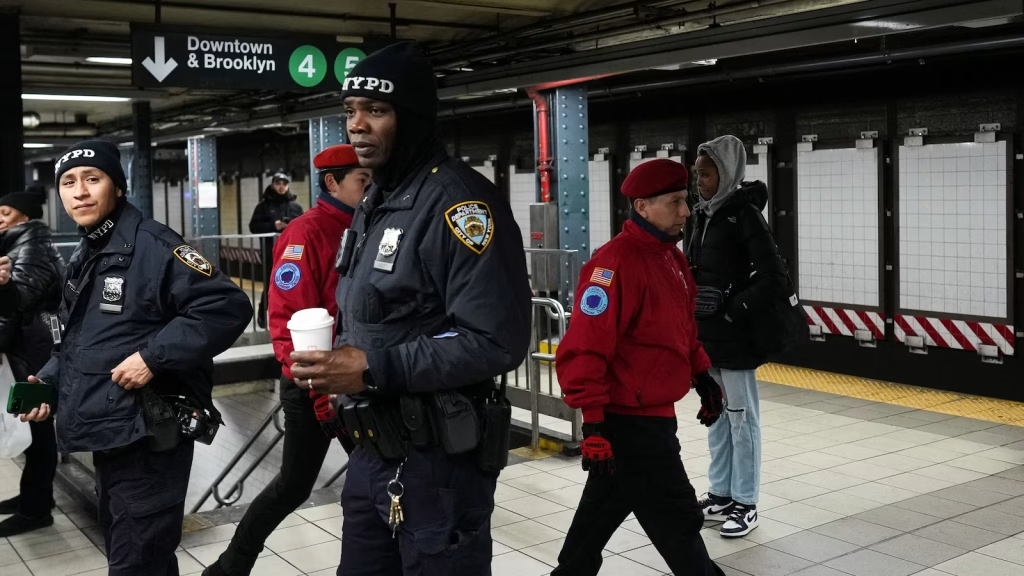
One of the world’s best-known law enforcement agencies, the NYPD has a population of millions of residents and visitors in New York City’s five boroughs. The NYPD is the main police force for the city, with the duty of maintaining public safety and preventing crime, responding to emergencies, and fostering relationships with the communities they serve. Its officers have a variety of duties each day, ranging from traffic enforcement and criminal investigations to community outreach and emergency response.
The NYPD is not only a large police force, but it’s also a police force that has influenced the course of modern policing over the years. The department has embraced new technologies, grown specialized units, and created programs to help build public confidence while meeting the evolving needs of one of the world’s busiest cities. It provides answers to the most common questions about the NYPD, details on its operations, and an understanding of its importance in protecting New York City.
What is the NYPD, and what does it do?
The NYPD (New York City Police Department) is the main police force for New York City’s five boroughs: Manhattan, Brooklyn, Queens, the Bronx, and Staten Island. Its primary role is to safeguard the lives and property of the people of the city, apply the law, stop crime, and keep public order.
The NYPD is responsible for much more than answering calls for service. Neighbourhood watching, crime solving, traffic management, assistance at public events, and emergency and natural disaster situations. They also partner with community groups, schools, and business entities to ensure safety and to facilitate a better relationship between law enforcement and the public.
The NYPD is an important part of keeping New York City safe, as it has to maintain city safety for millions of residents and visitors from all over the world.
Why is the NYPD considered one of the most well-known police departments?
The NYPD is well known due to its size, its long history, and its location in one of the world’s most famous cities. The department was created in the 1800s and has since transformed to meet the evolving needs of New York City and its citizens, to accommodate population growth, technological innovation, and shifting public safety needs.
It has also been strengthened in an infinite number of books, films, TV shows, and documentaries about New York City and New York City police officers. Popular culture often focuses on the dramatic investigations, but the everyday job of the NYPD involves a host of routine tasks like answering service calls, assisting stranded motorists, directing traffic, assisting community members, and much more.
It has received a lot of attention in community engagement, crime prevention, and modern policing discussions due to its size and influence.
How is the NYPD organized?
Ensuring public safety in a city as large as New York demands careful organization. The NYPD consists of precincts that cover a single neighborhood in each of the five boroughs. The city organization working in each precinct has the autonomy to tackle the local needs of its community as well as to work with the citywide organization.
In addition to neighborhood cops, the NYPD has many dedicated units assigned to specific duties. Detectives investigate serious crimes, and specialized teams are dispatched in emergencies, public events, and unique situations that require extra expertise. Other divisions focus on highway patrol on the highways, harbor operations, aviation support, counterterrorism, transit safety, and community affairs.
This organised approach enables the department to effectively deal with common incidents and major emergencies with a presence all over the city.
What services does the NYPD provide to the public?
The NYPD is often seen as a crime-fighting force, but the department offers numerous non-criminal services. Medical emergencies, traffic accidents, missing persons, and calls for assistance from residents and visitors are common call-out reasons for officers.
The department also engages with schools, neighborhood groups, and local businesses via educational programs and neighborhood meetings. These initiatives promote transparency and can assist in identifying public safety issues before they grow into more serious issues.
Millions of people are able to participate safely in the many public events in New York during the year, including parades, sporting events, festivals, and holiday festivities, with the help of the NYPD’s traffic management and crowd safety coordination efforts.
How does the NYPD investigate crimes?
The NYPD’s job involves criminal investigation, and it is an integral component of their work. If serious crimes are committed, a detective is assigned to collect evidence, interview witnesses, review surveillance footage, and consult with forensic experts to determine who may be responsible and what happened.
In today’s investigation, new technology is frequently used in conjunction with traditional methods. Specialized resources such as digital evidence, forensic science, fingerprint analysis, and more assist investigators in creating a viable case and aiding in the criminal justice process.
In every investigation, the aim is to gather evidence that will be credible and helpful to prosecutors and ensure that information is used to guide legal action.
Why is community policing important to the NYPD?
The NYPD has adopted community policing as a strategy since trust between the police and community members can enhance public safety. Officers are not just at the service of communities during emergencies; they attend neighborhood meetings, youth programs, educational events, and community partnerships throughout the year.
These continuous relationships foster resident feedback, information sharing, and collaboration with officers to solve problems in their communities. By engaging with the community, officers gain a deeper understanding of community needs and can help residents get to know the officers that serve them.
Favorable communication with the public plays an important role in the effective solution of problems and in promoting safer communities in the long run.
What role does technology play in the NYPD?
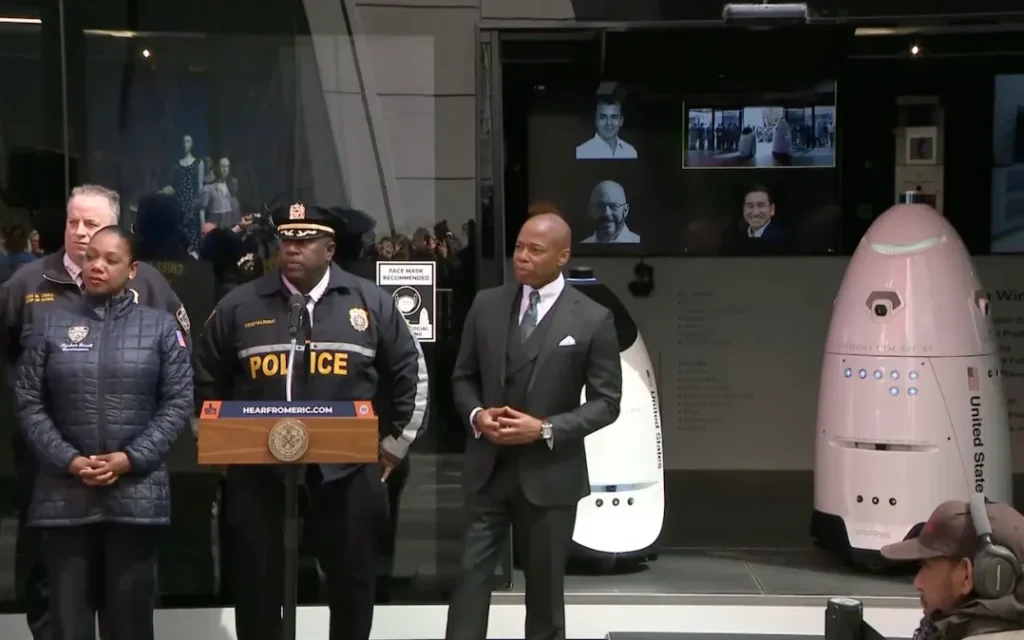
While the use of technology in policing has become increasingly prevalent in the modern era, the NYPD is still continuing to utilize numerous tools that will make police work more efficient and will keep the public safe. Computer systems assist officers in better managing reports, analyzing crime trends, and coordinating responses throughout the city.
Communication systems enable officers and emergency dispatchers to communicate rapidly and exchange information; digital reporting systems streamline investigations and administrative tasks. Technology also helps the department train, prepare for emergencies, and allocate resources to better meet evolving public safety needs.
The NYPD is constantly assessing new technologies that can help them while maintaining the effectiveness of both lawful policing efforts and police operations.
What challenges does the NYPD face?
The NYPD, like so many large police departments, is a complex and constantly evolving organization. Population growth, tourism, large events, cyber crimes, traffic management and preparedness for emergencies all need careful planning and co-ordination.
Another continuous role is to balance the need for public safety with community expectations. The department is constantly evaluating policies, training and operational plans to ensure that they continue to be effective and flexible to meet emerging issues and threats in one of the world’s busiest cities.
These responsibilities are to be shared between officers, government agencies, community organisations and the public, all working towards the same objective of providing a safe environment.
Why does the NYPD remain an important part of New York City?
Public safety is a constant presence in New York City, with the city running 24/7. The NYPD contributes to this environment by responding to emergencies, working in neighborhoods, helping at major events, investigating crimes, and collaborating with communities throughout the city.
It is used to enhance the safety of transportation systems, business areas, residential districts, and tourist attractions. Policing is an ever-changing profession, but the primary aim of the police is to safeguard life and to ensure public order.
The NYPD is a key component in the effort to make New York City one of the world’s busiest and most dynamic urban areas, which is important to residents and visitors alike.
Conclusion
The NYPD is not just a police force; it is an essential part of New York City’s safety, security, and everyday life. The department operates throughout all five boroughs and is involved in a myriad of public safety issues, through neighborhood patrols, criminal investigation, emergency response, community outreach, and specialized services.
The NYPD remains a dynamic force, constantly evolving and adjusting to the changing landscape of New York City, incorporating new technologies, building stronger ties with the community, and addressing new challenges. If you live in New York City, are a visitor, a student, or just interested in knowing about one of the most well-known law enforcement agencies in the world, take the time to learn more about the NYPD.
Frequently Asked Questions:
1. What does NYPD stand for?
NYPD stands for the New York City Police Department, the primary law enforcement agency serving New York City’s five boroughs.
2. Which areas does the NYPD serve?
The NYPD serves Manhattan, Brooklyn, Queens, the Bronx, and Staten Island.
3. What are the main responsibilities of the NYPD?
The department is responsible for crime prevention, law enforcement, emergency response, criminal investigations, traffic management, and community engagement.
4. Does the NYPD have specialized units?
Yes. The NYPD includes specialized divisions such as detective units, aviation, harbor patrol, transit, highway patrol, counterterrorism, and community affairs.
5. Why is the NYPD internationally recognized?
The NYPD is widely known because of its long history, large size, role in one of the world’s most famous cities, and its influence on modern policing practices.